


You Name the Specs. We Build the Box.
Any Size. Any Shape. Any Style.
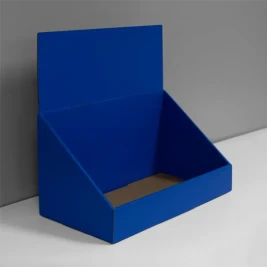
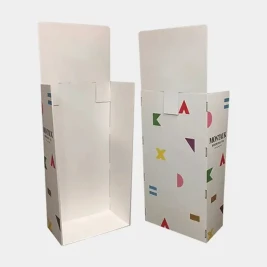
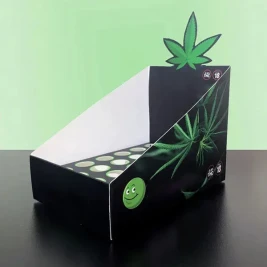
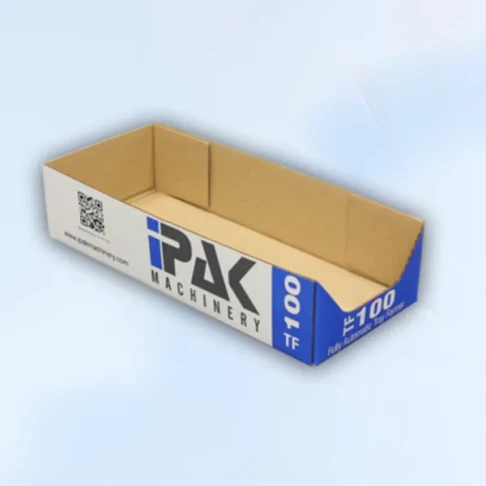
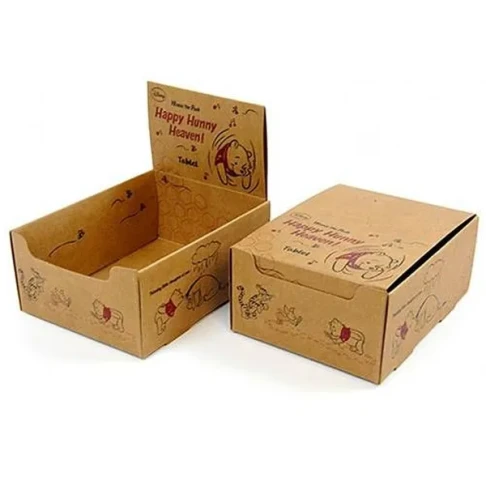
Availability: In stock SKU: 47 Category: Display Boxes Starting Price: $0.75 Size: Standard Color: Multi-color Brand: Manhattan Packaging Buy NowCustom Display Tray Boxes do two jobs in one pack: they ship your product on a pallet, then become the display the moment a tear-away panel lifts off. Built so the walls carry the stack in transit and still look retail-grade on the shelf, with the perforation at the right height, a front reach-in cut, and tray construction matched to your product. Ideal for grocery, convenience, and big-box retail. Low MOQs available, with delivery in 10 to 15 business days.
Custom Display Tray Boxes - One Pack That Ships, Then Sells
A display tray earns its keep by doing two jobs that normally need two different packages. On the way to the store it is a shipping tray, stacked on a pallet and expected to protect what is inside. On the shelf it is the display, with a lid or front torn away so the product sells straight out of the pack with no unpacking and no separate fixture. That is what retailers mean by shelf-ready or retail-ready packaging, and a display tray box is the structure that pulls it off. Get the transition between those two jobs right and you save the store labour while keeping the shelf looking deliberate.
The Tear-Away Line Is the Whole Design Decision
Most of the thinking in a display tray goes into one detail: how far down the walls the perforation runs. A dashed cut-and-crease line travels around all four sides a set distance from the top, so the upper section lifts off as a cover and the lower section stays as the tray. Set that line too high and the remaining walls are too shallow to hold product in, with almost no room left for branding on the tray front. Set it too low and the tray is flimsy and the product stands exposed and unsupported. The right height holds the product securely, leaves a printable face toward the aisle, and tears cleanly in one motion, because a perforation that fights the stocker is one they stop using.
Tray Construction: Three Honest Trade-Offs
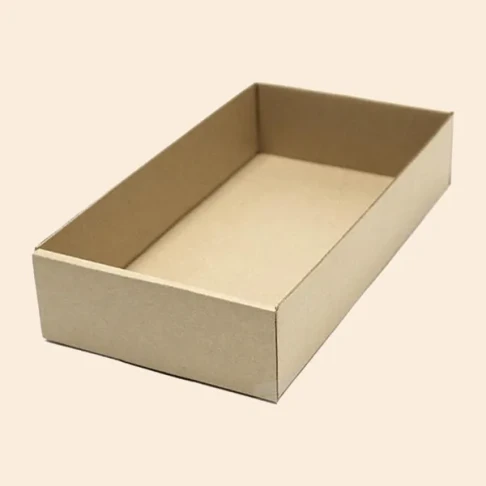
- Four-Corner Glued Tray: Straight walls and glued corners give the most product capacity and the easiest set-up, and it is the sturdiest base for heavier packs. The trade-off is that it ships either pre-glued or flat for assembly.
- Roll-End Tray: The walls roll over and lock into shape with no glue, which suits light, sturdy goods and keeps assembly tool-free. It is quick to put up but carries less than a glued four-corner tray.
- Die-Cut Corner-Post Tray: Built-in corner posts give superior stacking strength and let air circulate, which is why this style is used for produce and anything travelling several trays high. It uses more board for that strength.
- Full Shelf-Ready Case: A closed shipping case with the tear-away built in, so the same unit is a sealed box in transit and an open tray on the shelf. The most protective option, and the one that hides the product until it lands.
The Walls Are Carrying the Pallet
This is the part that is easy to underestimate. On a pallet, a tray is not just holding its own contents, it is holding the weight of every tray stacked on top of it, and that load runs down through the walls and corners. A tray specified only for its own product will crush in the middle of a stack, and a crushed tray at the bottom takes the whole column down with it. So we specify the flute and the corner construction for the stack height you actually ship, not for the single unit. E-flute suits a light product shown one or two high, B-flute and corner posts earn their place when trays travel several high or carry real weight. Tell us how they palletise and we build to that.
Designed for the Person Restocking the Shelf
A display tray lives or dies by how fast a store associate can get it onto the shelf, because shelf-ready packaging exists to cut replenishment time. The whole point is that a tray slides onto the shelf in one movement and faces the aisle without any product handling. A front reach-in cut-out lowers the front wall so shoppers can take product easily and staff can top up without pulling the tray out, and it reduces the resistance a customer feels reaching in. We keep the cut generous enough to help the hand and shallow enough to keep the front wall doing its structural and branding work.
Key Features & Customization Options
- Sized to the Shelf and the Pack: Tray footprint cut to the retailer shelf depth and to how many facings of your product you want presented.
- Full-Color Print Where It Shows: Branding concentrated on the front wall and base that stay after the cover is removed, with the throwaway cover kept plain to save cost.
- Litho-Lamination: A smooth offset-printed face bonded to corrugated where the tray front has to match shelf-grade graphics.
- Dividers and Inserts: Internal fitments to hold facings upright and stop product sliding as the tray empties.
- Getting Started: Low MOQs let you trial a shelf-ready format in a few stores before a chain-wide rollout, unit cost drops with volume, and structural design support is included.
Where Display Trays Work Best
- Grocery and Convenience: Snacks, drinks, and ambient groceries that move in volume and need fast restocking.
- Health and Beauty: Small boxed and bottled lines presented in neat, faced rows.
- Produce and Fresh: Ventilated corner-post trays that stack high and breathe.
- Promotional and Seasonal: Short-run trays that drop in for a campaign and flatten for recycling afterwards.
Material Choices and Eco-Friendly Options
White-top corrugated gives the cleanest aisle-facing print, natural kraft suits value and organic lines, and board weight follows the stacking job rather than the look. We would rather step up a flute or add corner posts than watch a bottom tray crush under the column above it, because that failure is both a product loss and a mess for the store.
On sustainability, display trays have a real advantage worth stating plainly: they are corrugated and little else, so a spent tray flattens straight into the cardboard stream rather than needing to be stripped like a plastic fixture, and a shelf-ready tray removes the separate display unit entirely, which is one less thing made and discarded. Recycled-content board and water-based or soy inks are available throughout. The honest caveat is finishing, since a heavy gloss plastic laminate is the one thing that compromises recyclability, so where end-of-life matters we steer you to a matte aqueous coating and tell you what you trade in scuff resistance.
Frequently Asked Questions
What is the difference between a display tray and a shipping box?
A display tray does both jobs. It ships your product like a box, then a tear-away cover or front comes off and it becomes the shelf display, so the store never unpacks it into a separate fixture.
How do you decide where the tear-away line goes?
By balancing three things: the wall has to stay tall enough to hold product and carry branding, low enough to show and reach the product, and the perforation has to tear cleanly in one pull. We set that height around your actual product.
Will the tray survive being stacked on a pallet?
It will if it is built for the stack, not just the contents. The walls carry the trays above them, so we specify the flute and corner construction for your real stack height and pallet pattern.
Which tray style should I choose?
Four-corner glued trays hold the most and the heaviest, roll-end trays assemble fastest for light goods, and die-cut corner-post trays stack highest and ventilate. Tell us the product and how it ships and we will recommend one.
How few can I order, and how long does it take?
MOQs stay low enough to pilot a shelf-ready format in a handful of stores first, and once your structural sample and print proof are approved, production and US delivery run 10 to 15 business days.
| Customization | Custom Display Tray Boxes are fully customizable in size, shape, material, and printing. |
|---|---|
| Material Options | Kraft, Corrugated, Rigid, Cardboard, and more based on product needs. |
| Color Accuracy | Slight color variations may occur due to printing process and screen differences. |
| Size | Available in standard dimensions or fully customizable according to your business needs. |
| Production Time | Lead times vary depending on the type and quantity of boxes ordered. |
| Shipping & Delivery | Flat rate, 10-15 business days. For more information, please read our Shipping Policy |
| Returns & Refunds | Please read our Refund Policy. |
| Proofing | Digital proof is sent for approval before production begins. |
| Usage | Ideal for retail, gifting, branding, or product protection. |
Similar Products
The products shown here are for reference only. At Manhattan Packaging, every box is built 100% from scratch to your exact specifications. Just tell us the size, shape, style, and finish you need, and we will make it happen. No templates, no limitations - your custom packaging, your way.