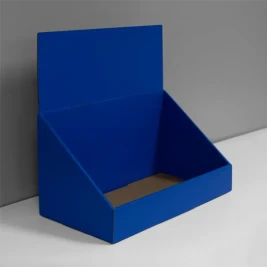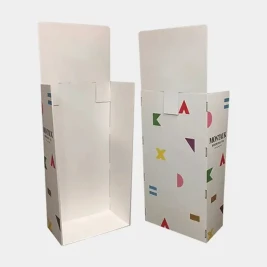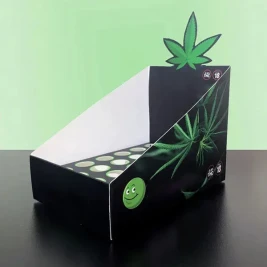

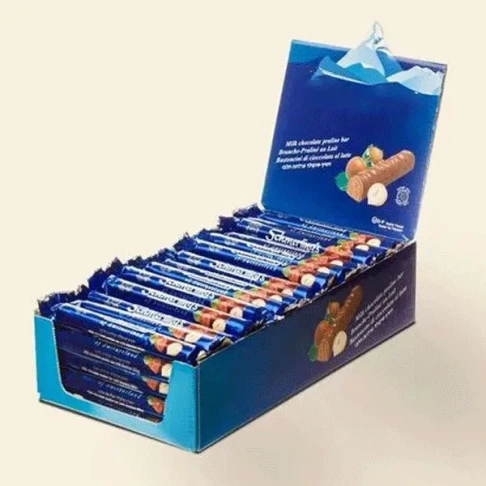

You Name the Specs. We Build the Box.
Any Size. Any Shape. Any Style.
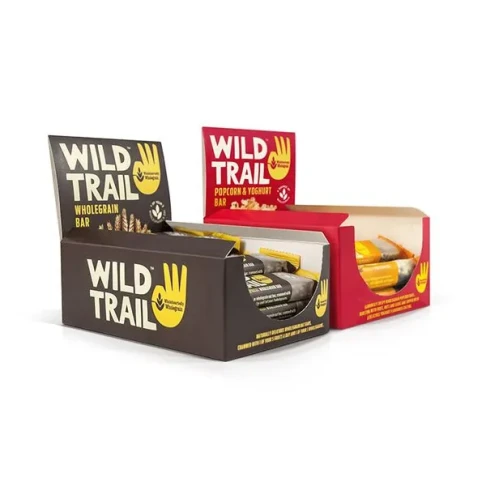
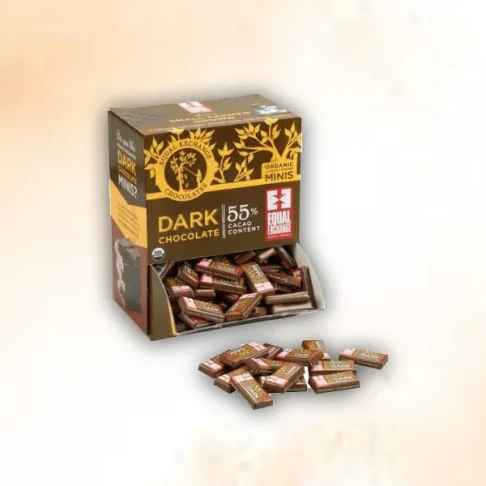
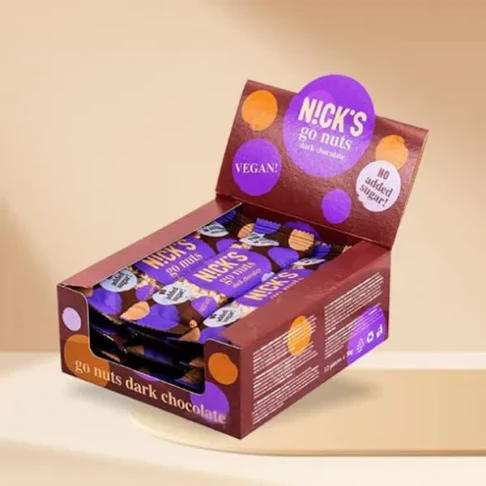
Availability: In stock SKU: 45 Category: Display Boxes Starting Price: $0.75 Size: Standard Color: Multi-color Brand: Manhattan Packaging Buy NowCustom Display Chocolate Boxes built for the one place chocolate is hardest to protect: out on the shop floor. Board that blocks light and buffers short temperature swings, footprints sized for fast rotation rather than deep stock, and decks specified for how dense chocolate really is. Tiered, counter, and seasonal promotional units available. Ideal for chocolatiers and confectionery brands across the USA. Low MOQs available, with delivery in 10 to 15 business days.
Custom Display Chocolate Boxes - Visibility and Chocolate Pull Against Each Other
Every display exists to expose product, and chocolate is the one confection that genuinely suffers from being exposed. Warmth dulls it, sunlight marks it, and temperature swings leave a grey film on a bar that was perfect in the stockroom. That tension sits at the centre of designing display chocolate boxes, because the unit has to win attention in an open retail position without cooking the product it is selling. We design these around rotation, light, and load rather than treating them as a pretty tray.
Placement Matters More Here Than on Any Other Display
Chocolate is comfortable somewhere around 60 to 70 degrees Fahrenheit with low humidity, and it starts to soften and lose its finish well before the point where it visibly melts. A retail floor rarely holds that steadily. The specific thing to avoid is a sunlit position, including a window spot in winter, because direct sun lifts the surface temperature of a bar far faster than the room temperature suggests. Swings matter as much as the average, since chocolate that warms and cools repeatedly degrades faster than chocolate held slightly too warm but steady.
We will be straight with you about what packaging can do here. A display is not refrigeration. Closed board panels block light and give a modest thermal buffer against short swings, an open tray in a sunbeam gives you neither, and no structure we build will rescue stock from a genuinely hot store. What the design can do is keep product shaded, keep it off a warm surface, and make rotation easy enough that nothing sits long enough to suffer.
Bloom, and What It Does to a Display
Bloom is the failure that empties a display of its sales without emptying it of stock, because customers read a dull, streaked bar as old or spoiled even though it is neither. It comes in two forms and they have different causes:
- Fat Bloom: Warmth lets cocoa butter separate and then re-crystallise unevenly as things cool, leaving a pale, mottled surface. It is cosmetic and perfectly safe to eat, but it sells badly.
- Sugar Bloom: Caused by moisture, classically by chilling chocolate and then returning it to a warm room so condensation forms on the surface. This is why cold storage is a false economy for retail stock.
- What the Box Contributes: Shade, a barrier against humidity swings, and separation from warm fixtures. Those reduce the risk rather than remove it.
- What the Box Cannot Fix: An overheated room or a display parked in sunlight. In that situation the honest answer is to move the unit, not to re-specify it.
Size for Rotation, Not for Stock
This is where chocolate displays differ most from the rest of retail, and it is counter-intuitive if you are used to filling a fixture as full as it will go. Experienced chocolatiers keep only a modest facing out on display and hold the balance in the coolest part of the shop, refilling as it sells. A deep display that holds a fortnight of stock is a display that keeps chocolate in the warmest, brightest position in the room for a fortnight. So we tend to design a shallower, faster-turning footprint with easy top-up access, which means less product at risk at any one moment and a unit that always looks freshly faced.
Chocolate Is Dense, So the Deck Has to Carry It
A tray of bars or filled boxes is far heavier than its footprint suggests, and a sagging shelf is the quickest way to make a premium product look cheap. Board specification follows that weight. E-flute corrugated carries light pralines and single bars with a smooth face for fine print, B-flute handles stacked bars and boxed assortments, and a reinforced or strutted deck lets a slim, elegant unit hold a full facing without bowing. Where the unit is small and the brand is premium, rigid chipboard gives the dense, solid feel that suits a chocolatier counter.
Built for the Confectionery Calendar
Chocolate sells on a seasonal rhythm that few categories match, with Valentines Day, Easter, Christmas, and Mothers Day each needing their own look and each lasting a few weeks. Corrugated board is the right material for exactly that cycle, since short promotional runs are economical, artwork changes between seasons cost nothing structurally once a dieline exists, and a unit at the end of a promotion flattens for recycling instead of going into storage. We keep your dieline on file so a new season is a print change rather than a new project.
Display Formats for Chocolate
- Counter Impulse Units: Compact trays beside the register, where confectionery earns its reputation as the last add-on to the basket.
- Tiered Step Displays: Stepped levels so rear rows stay visible, gaining height rather than spreading across valuable counter depth.
- Shaded Hood Units: A partial canopy or raised back panel that shields the facing from overhead lighting and low sun while leaving the product visible from the front.
- Multi-Lane Flavor Trays: Separate channels for each variety, so one sold-out lane does not make the whole unit look picked over.
- Shipper-to-Display Units: Travels as a shipping case, then opens into the display, so chocolate is handled once rather than unpacked and rebuilt in store.
Key Features & Customization Options
- Food-Grade Board: Food-safe materials throughout, with grease-resistant surfaces where unwrapped or lightly wrapped product makes contact.
- Cut to Your Product: Lane widths and facing depth set by your actual bar, praline, or box dimensions rather than a standard tray.
- Retail-Grade Graphics: Direct print for everyday runs, or litho-lamination where photography of the product has to look as rich as the chocolate does.
- Header and Shelf Talkers: Space for cocoa percentage, origin, and allergen information, which matters more in chocolate than in most impulse categories.
- Getting Started: Low MOQs suit a single season or a pilot in a handful of stores, pricing improves across a wider rollout, and structural design help is included from the first dieline.
Material Choices and Eco-Friendly Options
White-top corrugated holds fine detail and deep browns cleanly, which matters when the photography has to look appetising rather than muddy. Natural kraft suits bean-to-bar and single-origin positioning, where an unbleached surface reads as craft rather than budget. Across both, we would rather specify a heavier flute than watch a deck deflect under a full facing of bars.
The sustainability position here is genuinely good, and worth stating without overclaiming. These units are corrugated board and very little else, so at the end of a season they flatten and go into the cardboard stream rather than needing to be stripped like a plastic or metal fixture. Recycled-content board and water-based or soy inks are available throughout. The honest caveat is the finish: a heavy gloss plastic lamination is the one element that would compromise that recyclability, so if end-of-life is the priority we will put you on a matte aqueous coating and tell you that you lose some scuff resistance in exchange.
Frequently Asked Questions
Where should a chocolate display go in the store?
Away from direct sunlight and away from heat sources, which rules out most window positions even in cold months. A shaded spot near the register gives you the impulse traffic without the surface temperature problem.
Can the packaging stop chocolate blooming?
It can reduce the risk by shading the product, buffering short swings, and keeping it off warm surfaces. It cannot control the room. If a store runs hot, relocating the unit does more than any specification change we could make.
Should I keep the display fully stocked?
Usually not. A modest facing topped up from cool storage keeps less product in the warmest, brightest spot, which is why we often design a shallower unit with easy refill access rather than a deep one.
Will the shelf hold a full facing of bars?
It will if the board is matched to the weight, since chocolate is denser than its footprint suggests. Tell us the weight of a full facing and we will specify the flute and deck to it instead of estimating.
Can I reuse the structure for different seasons?
Yes, and it is the economical way to work. Once a dieline exists, a new season is a print change rather than a new build, and we keep your tooling details on file for that.
How few can I order, and how long does it take?
MOQs stay low enough to run a single season or test a few stores first, and once your sample and print proof are signed off, production and US delivery take 10 to 15 business days.
| Customization | Custom Display Chocolate Boxes are fully customizable in size, shape, material, and printing. |
|---|---|
| Material Options | Kraft, Corrugated, Rigid, Cardboard, and more based on product needs. |
| Color Accuracy | Slight color variations may occur due to printing process and screen differences. |
| Size | Available in standard dimensions or fully customizable according to your business needs. |
| Production Time | Lead times vary depending on the type and quantity of boxes ordered. |
| Shipping & Delivery | Flat rate, 10-15 business days. For more information, please read our Shipping Policy |
| Returns & Refunds | Please read our Refund Policy. |
| Proofing | Digital proof is sent for approval before production begins. |
| Usage | Ideal for retail, gifting, branding, or product protection. |
Similar Products
The products shown here are for reference only. At Manhattan Packaging, every box is built 100% from scratch to your exact specifications. Just tell us the size, shape, style, and finish you need, and we will make it happen. No templates, no limitations - your custom packaging, your way.